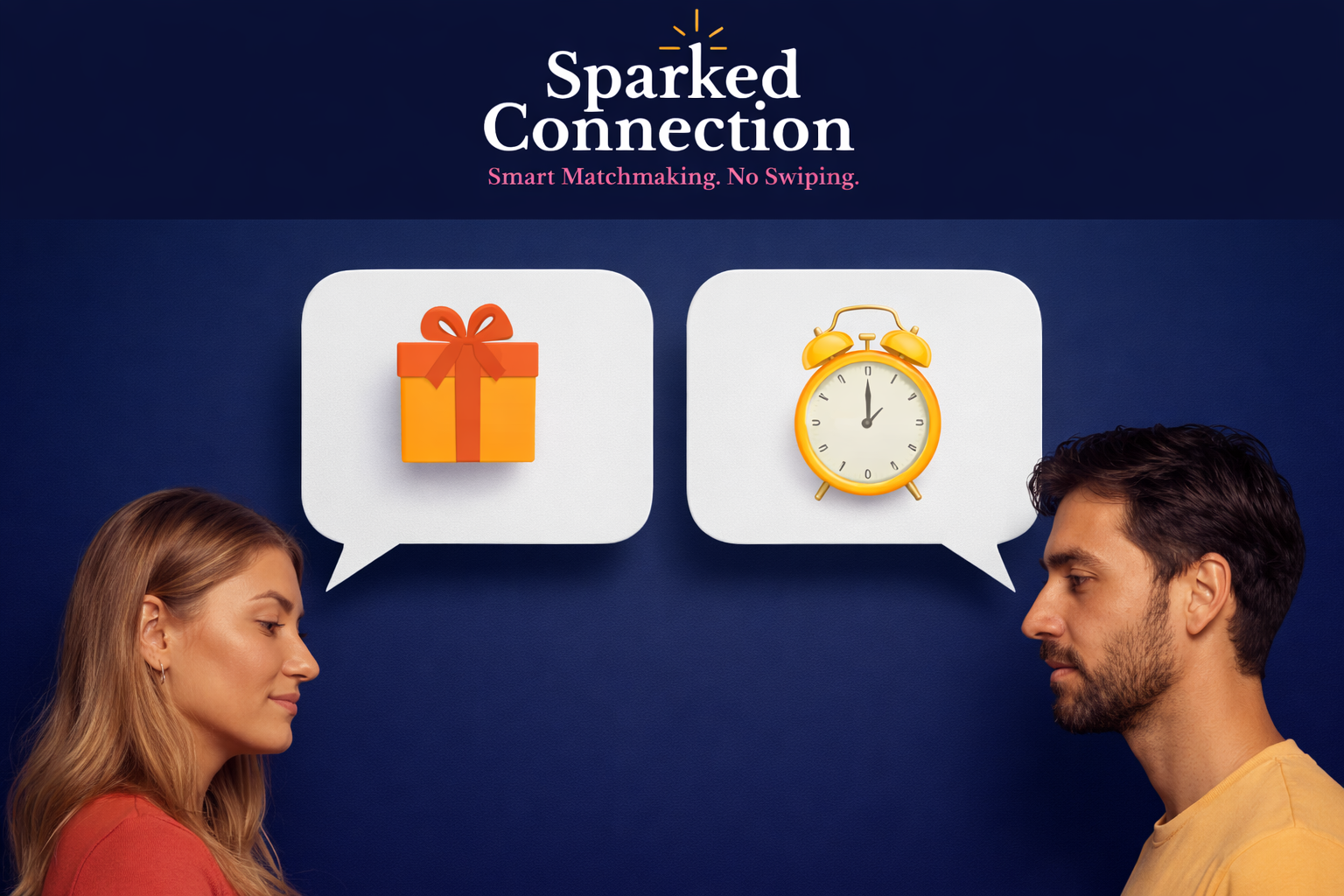
Imagine pouring your heart into cooking a three-course dinner for someone you love — every dish a labour of devotion, every ingredient chosen with care — only to discover they've been longing for nothing more than for you to sit beside them, hold their hand, and listen. The dinner was delicious. But they're still starving.
This is the quiet tragedy that plays out in millions of relationships every day: not a lack of love, but a failure of translation. Two people, both deeply loving, both deeply loved, speaking past each other in languages neither has been taught to recognise.
Dr Gary Chapman, a marriage counsellor, first introduced the concept of "love languages" in his 1992 book The Five Love Languages. His central argument was both simple and profound: people give and receive love in fundamentally different ways. When partners' love languages differ — when one speaks fluently in touch while the other is moved by words — love can feel like a message sent but never received.
The Five Languages
For these individuals, love lives in language. Compliments, encouragement, and verbal declarations of appreciation aren't nice-to-haves — they are the very oxygen of the relationship.
Undivided attention is the currency of love for this person. Not proximity — presence. When you are truly here, fully with them, they feel cherished.
Often misread as materialism, this language is really about thoughtfulness made visible: I saw this and thought of you.
Love, for these individuals, is a verb. Making dinner, handling the errand they dreaded, fixing the broken shelf — these are love made tangible.
A hand on the back during a hard day. A long embrace with no agenda. For some, touch communicates safety, acceptance, and connection beyond words.
"We're not failing each other because we don't love enough. We're failing each other because we're expressing love in the only way we know — and it's not the way our partner hears it."— Dr Gary Chapman, The Five Love Languages
When Languages Collide
Mismatched love languages rarely produce open conflict. Instead, they generate a slow, ambient sense of emptiness — a feeling of loving and not being loved in return, even when both people are trying.
Why Misalignment Hurts
The pain of a love language mismatch is particularly insidious because it is invisible. Neither party is neglecting the relationship — in fact, both may be pouring enormous energy into it. But that energy evaporates because it isn't landing in the right place.
Over time, this gap breeds resentment. One partner begins to feel unappreciated; the other begins to feel that nothing they do is ever enough. The problem isn't love. It's translation.
The most loving thing you can do for someone may not be to love them harder — it may be to love them in translation.
Meet someone who already speaks your language
At Sparked Connection, love language compatibility is at the heart of how we match people. Every member completes our love language assessment so we can pair you with someone emotionally aligned from the very first introduction.
Join the Singles NetworkSelective. Personalised. Human-led matchmaking.
Sparked Connection is a modern matchmaking and relationship consultancy helping professionals build meaningful, emotionally aligned relationships. Learn more at sparkedconnection.com.
Speak. Listen. Translate.
The distance between two people who love each other is never really about love. It is always, only, about language.